How to Choose the Right Rustic Furniture for a Home That Actually Gets Lived In
Many people love the look of rustic furniture. However, far fewer understand how to choose pieces that hold up to real daily life. A showroom can make anything look good. A real home is different. Kids run past corners. Pets jump onto benches. Groceries get set down fast. Chairs get scooted. Drawers get slammed.
That is exactly where true barnwood furniture separates itself from decorative furniture.
Instead of buying pieces that only look rustic, homeowners are now searching for furniture that performs over decades — not seasons.
So the real question becomes:
How do you actually choose the right rustic furniture without accidentally buying something that only looks the part?
Real Barnwood vs “Rustic Style” Furniture
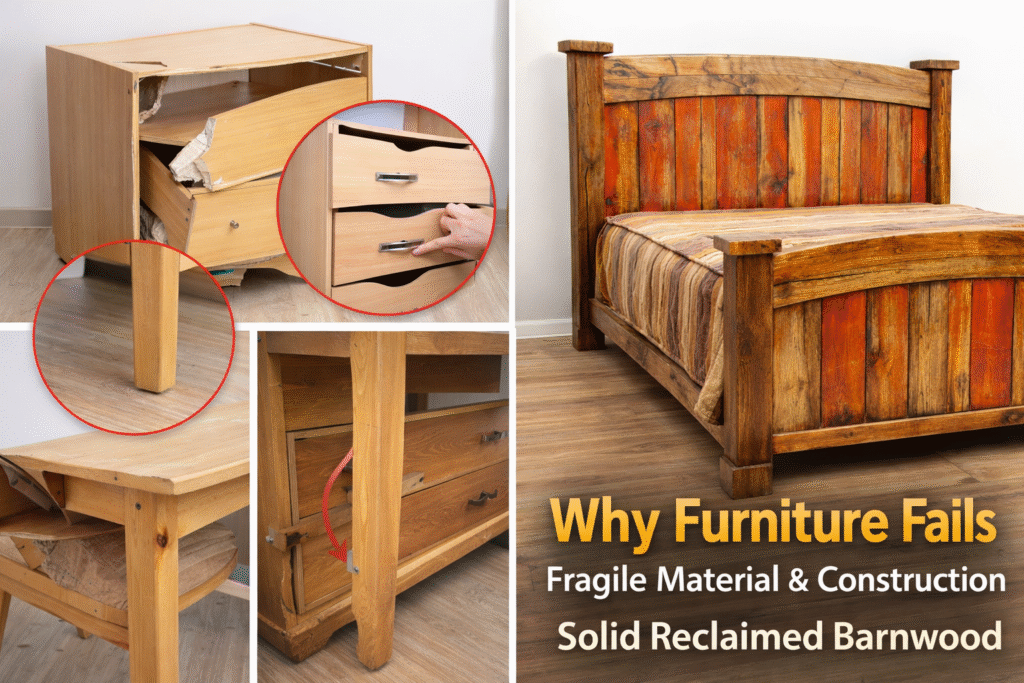
Today, a lot of furniture marketed as rustic is actually new lumber that has been artificially distressed. It may look aged, but structurally it behaves like any modern big-box store furniture.
Authentic reclaimed wood is different.
Old barnwood already lived a life. It dried naturally over decades. It expanded and contracted through hundreds of seasons. By the time it becomes furniture, it is dimensionally stable.
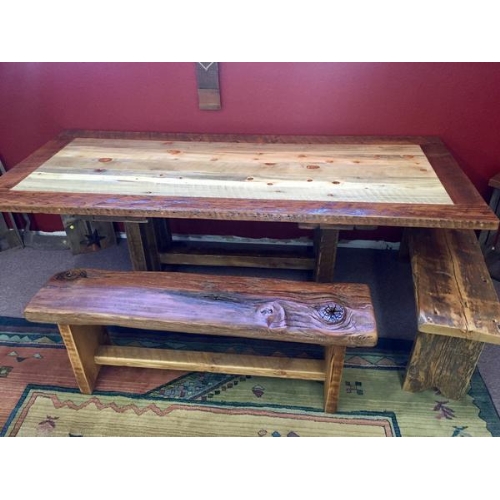
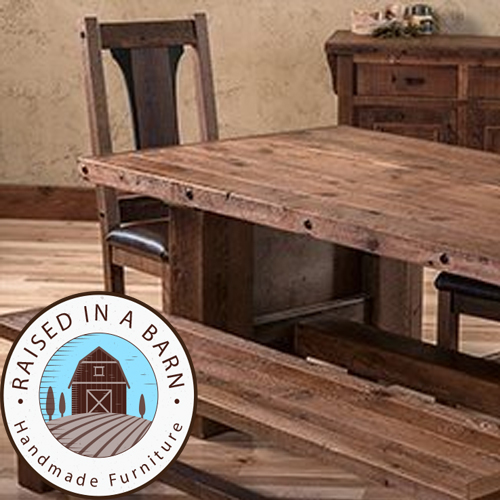
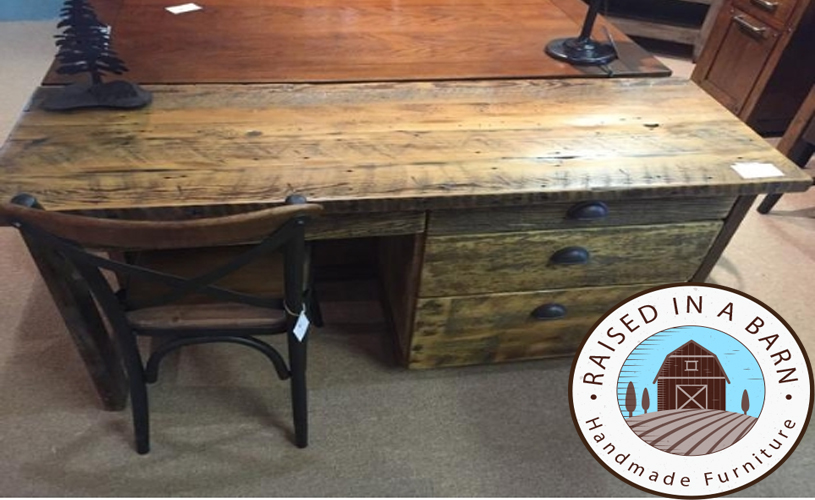
This is why pieces like barn wood dining tables tend to remain flat and solid for decades while mass-produced tables often loosen within a few years.
The Room-By-Room Strategy (This Is Where Most Buyers Go Wrong)
Many homeowners buy furniture one piece at a time based purely on appearance. Unfortunately, that approach often leads to mismatched scale, clashing tones, and poor functionality.
A better approach is to plan furniture by how each room is actually used.
The Dining Area — The Hardest Working Space
The dining room is not just for holidays anymore. It often doubles as:
- Homework station
- Home office
- Craft area
- Family gathering space
This is why dining tables should be the most durable piece in the home. A heavy reclaimed table is ideal because weight equals stability.
Wide plank tables made from reclaimed beams resist rocking, twisting, and seasonal movement.
The Bedroom — Where Comfort Meets Structure
Beds are often chosen only for looks. However, structure matters even more than appearance.
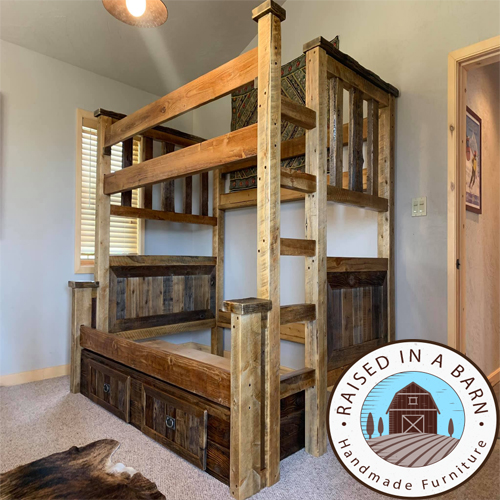
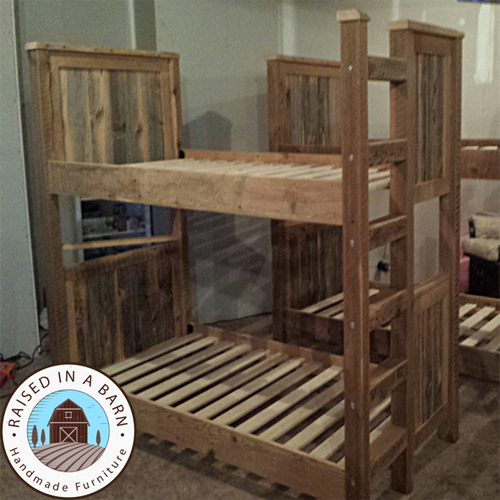
Solid wood beds distribute weight differently than metal or composite beds. Instead of flexing, they absorb movement.
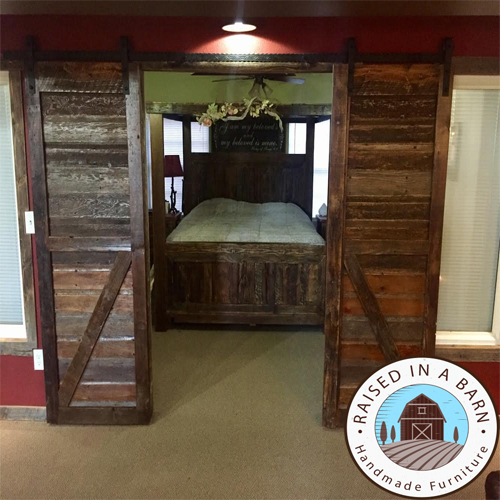
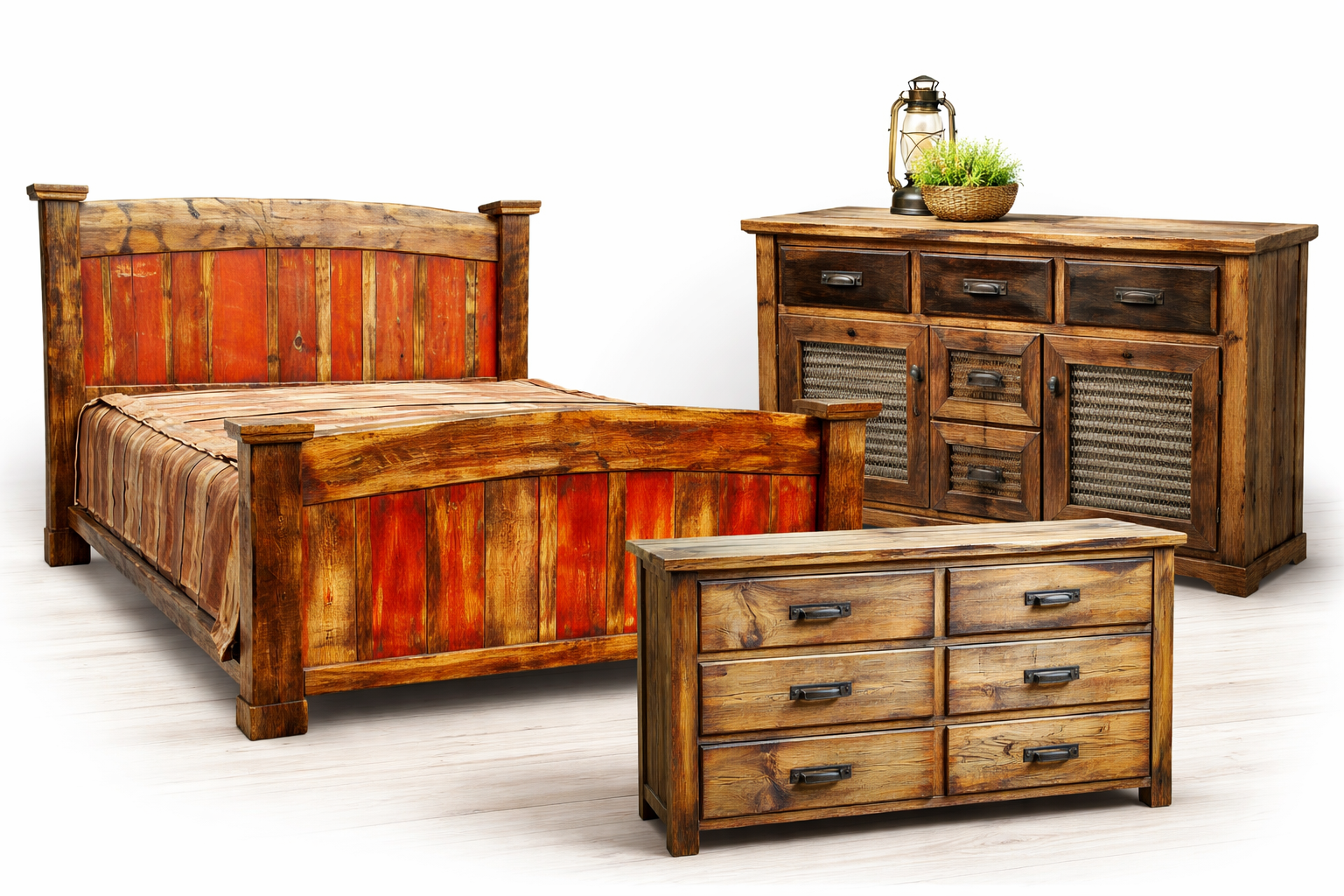
This is why homeowners frequently upgrade to heavier frames like the gorgeous rustic trim beds. The difference is usually noticed the first night — less noise, less shifting, and better support.
Additionally, real wood beds age well. Small dents or marks do not ruin them. They actually blend into the existing patina.
Storage Spaces — Where Rustic Furniture Really Shines
Storage furniture is where reclaimed wood becomes especially practical.
Unlike thin manufactured drawers, thick solid wood drawers resist sagging and rail failure.
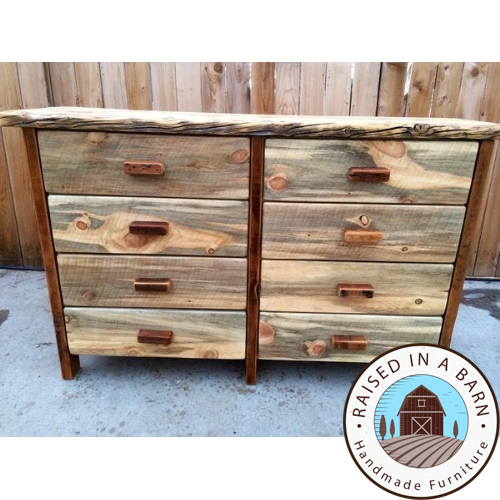
For example, many homeowners replace dressers multiple times over 10 years. Solid options like beetle kill pine dressers often last generations instead.
Why Texture Matters More Than Color
One of the biggest mistakes people make is trying to match wood color perfectly. Rustic homes actually look better when tones vary slightly.
Texture matters more than shade.
Reclaimed wood contains:
- saw marks
- nail holes
- weather exposure patterns
- natural grain contrast
These textures create visual warmth that painted or laminated surfaces cannot replicate.
The Psychology Behind Why Rustic Furniture Feels Different
There is a real psychological effect to natural materials. Studies on biophilic design show that people feel calmer around natural textures and organic materials.
Wood grain contains irregular patterns that the human brain interprets as natural environment signals.
You can read about this concept through environmental design research here:
Biophilic Design Principles (Whole Building Design Guide)
That is one reason many homeowners report rustic rooms feel warmer and more comfortable even when the temperature is unchanged.
Placement Tips That Instantly Improve a Room
You do not need a full remodel to make rustic furniture work well.
Use Weight Strategically
Place heavier pieces on the visual focal wall. This stabilizes the entire room composition.
Anchor With Storage
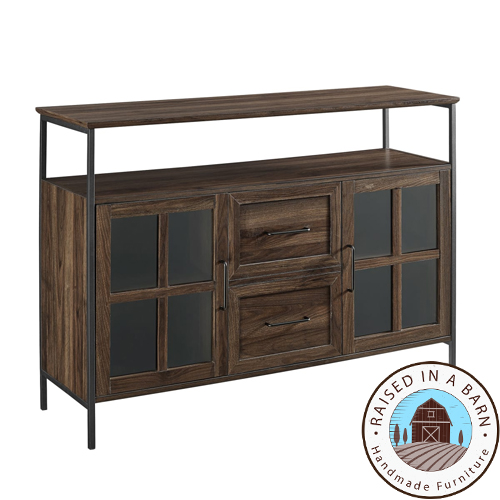
A rustic buffet cabinet works especially well behind a dining table because it anchors the space while adding functionality.
Leave Space Around Pieces
Rustic furniture looks best when it can “breathe.” Avoid crowding. Negative space enhances the craftsmanship visually.
Maintenance Is Easier Than Most People Think
Many buyers worry reclaimed wood requires complicated care. In reality, it requires less maintenance than most modern furniture.
- No polishing chemicals required
- Small scratches blend naturally
- Simple dusting is usually enough
- Occasional conditioning oil is optional
Why Rustic Furniture Often Becomes a Family Heirloom
Mass-produced furniture is designed around shipping efficiency. Rustic furniture is built around longevity.
That difference changes how families interact with it.
Over time, pieces collect stories:
- holiday dinners
- birthday gatherings
- late night conversations
- kids growing up
Instead of replacing furniture, families keep it. Then they pass it on.
That is actually how barnwood furniture existed historically — it was simply the furniture that lasted.
Final Thought
Choosing rustic furniture is less about decoration and more about selecting pieces that function properly in daily life. When you plan by room use, material quality, and structure, the look naturally follows.
The result is a home that feels comfortable, stable, and lived in — not staged.
Frequently Asked Questions
1. Is reclaimed wood furniture stronger?
Yes. The wood has already aged and stabilized naturally, which reduces future warping.
2. Will reclaimed wood splinter?
No. Properly finished barnwood is sanded and sealed while maintaining texture.
3. Does rustic furniture match modern homes?
Yes. Mixing rustic with modern actually creates visual balance and warmth.
4. Does it require special cleaning?
No. A dry cloth is usually enough.
5. Can I mix different wood tones?
Yes. Variation improves authenticity.
6. Is heavy furniture harder on floors?
No, protective pads prevent damage.
7. Does beetle kill pine weaken wood?
No. The blue staining is cosmetic, not structural.
8. How long does it last?
Properly built rustic furniture can last generations.
9. Does humidity affect it?
Less than new wood because it has already stabilized.
10. Is rustic furniture a trend?
No. It predates modern furniture manufacturing by centuries.