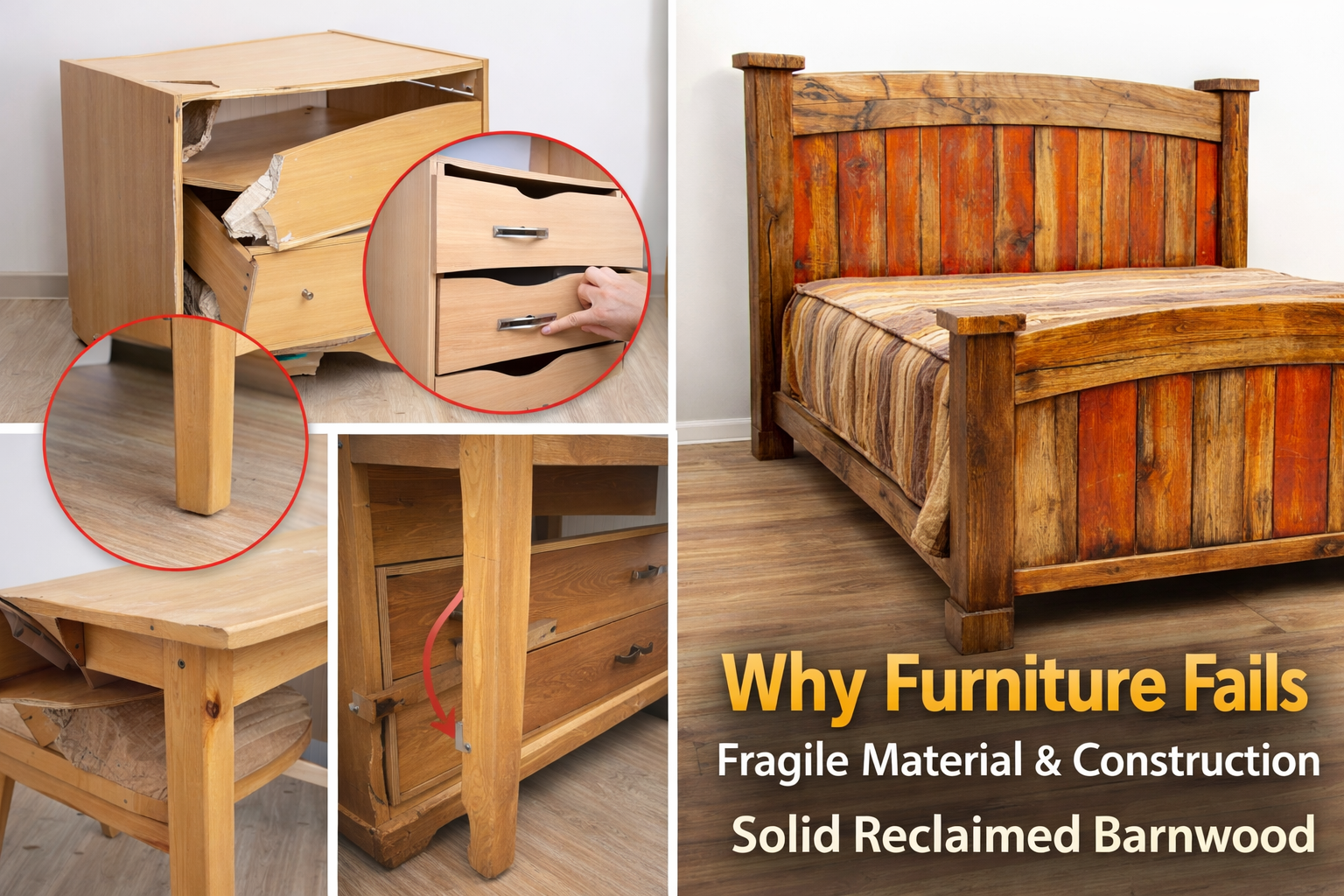
Why Most Furniture Fails After a Few Years (And Why Solid Wood Barnwood Furniture Does Not)
Many homeowners assume furniture should last a long time. Unfortunately, modern furniture is rarely designed that way anymore. A dresser may look beautiful in a showroom. A dining table may look sturdy on delivery day. However, after only a few years, problems begin appearing.
Drawers stop sliding smoothly. Table legs loosen. Bed frames start creaking. Surfaces chip or peel. Eventually, the piece that once looked perfect becomes something people tolerate rather than enjoy.
This pattern is extremely common today, and it is not because homeowners are using furniture incorrectly. It is because most furniture is built for shipping efficiency, not long-term structural stability.
The Hidden Weakness Inside Modern Furniture
Many popular furniture pieces today are made using particleboard, MDF, veneers, and thin framing. These materials are inexpensive and easy to mass produce. They also keep weight low, which reduces shipping costs.
However, these materials behave very differently than real wood.
- Particleboard absorbs moisture
- Veneer surfaces chip
- Stapled joints loosen
- Thin rails bend under load
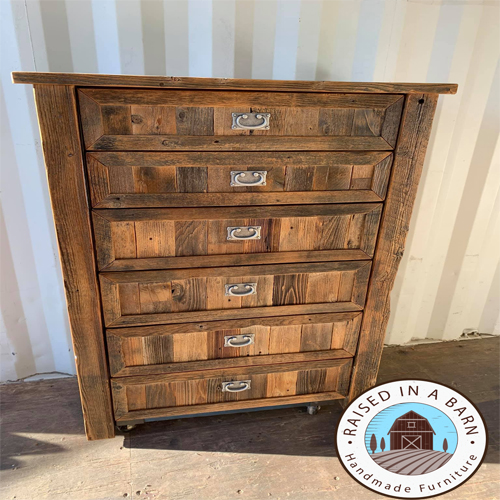
Even careful homeowners notice these problems over time. For example, dressers often fail first. Drawer slides begin sticking because the cabinet box subtly shifts shape. This is one reason many families eventually replace storage furniture multiple times.
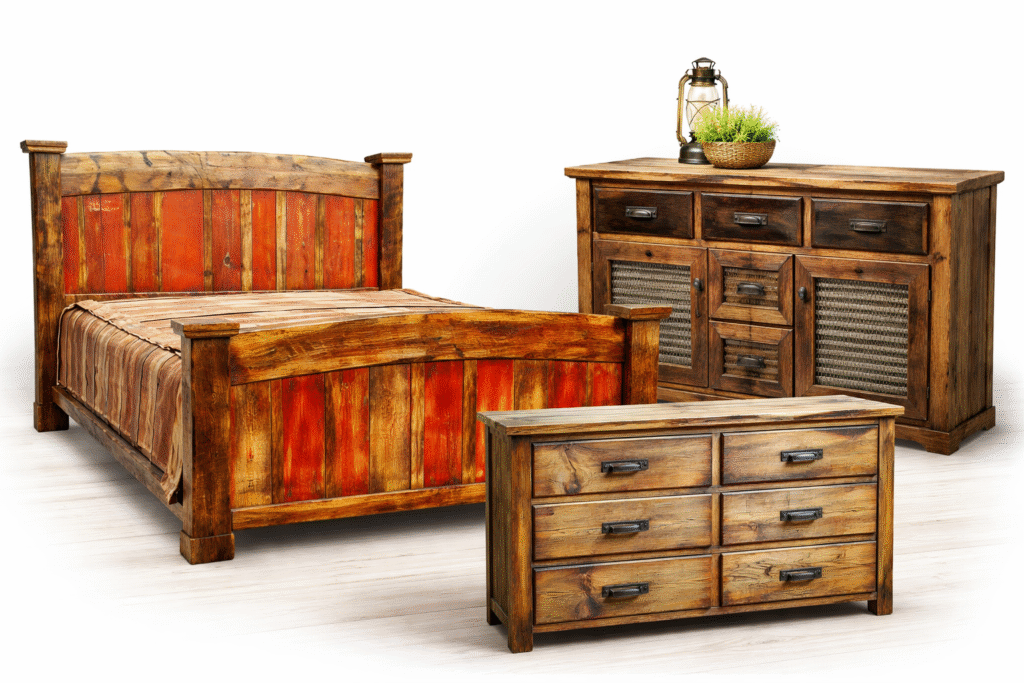
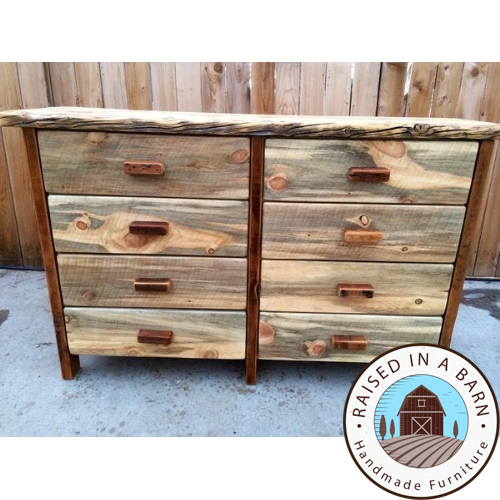
By comparison, thicker solid wood construction such as beetle kill pine dressers uses heavier joinery and stable boards that resist those shape changes.
Why Furniture Actually Moves
Wood is a natural material, and it reacts to humidity. When humidity increases, wood expands. When air dries, wood contracts. The issue is not the movement itself. The issue is how the furniture was designed to handle that movement.
New lumber still contains internal moisture stress. After it becomes furniture, it continues adjusting for years. That is when cracking, warping, and separation begin appearing.
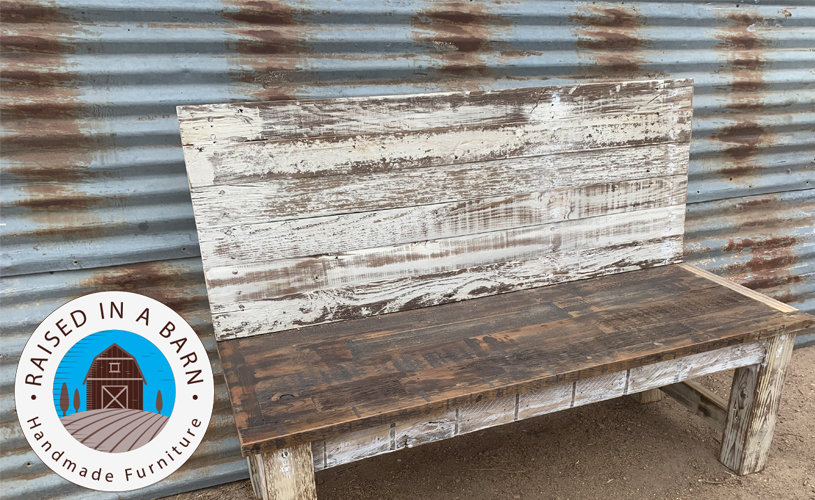
This is why reclaimed wood furniture often remains stable while new furniture gradually changes shape.
Dining Tables: The First Place Problems Show
Dining tables receive constant stress. Weight is placed on them every day. People lean on edges. Chairs bump into legs. Over time, weak construction begins revealing itself.
Common issues include:
- table wobble
- loose joints
- surface bubbling
- finish wear
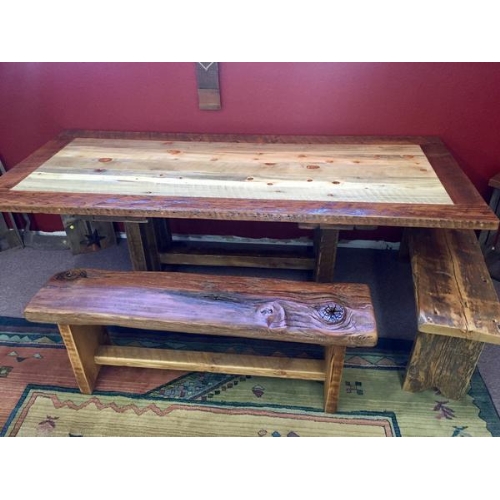
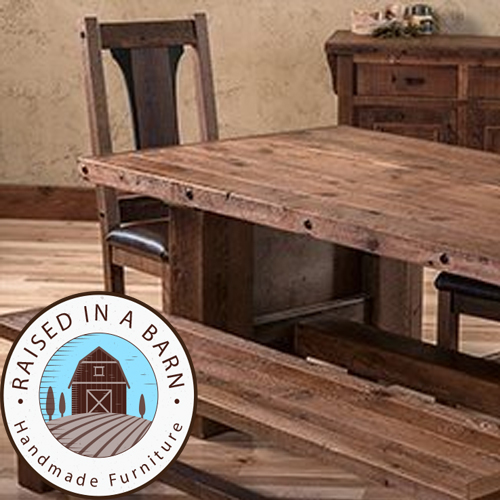
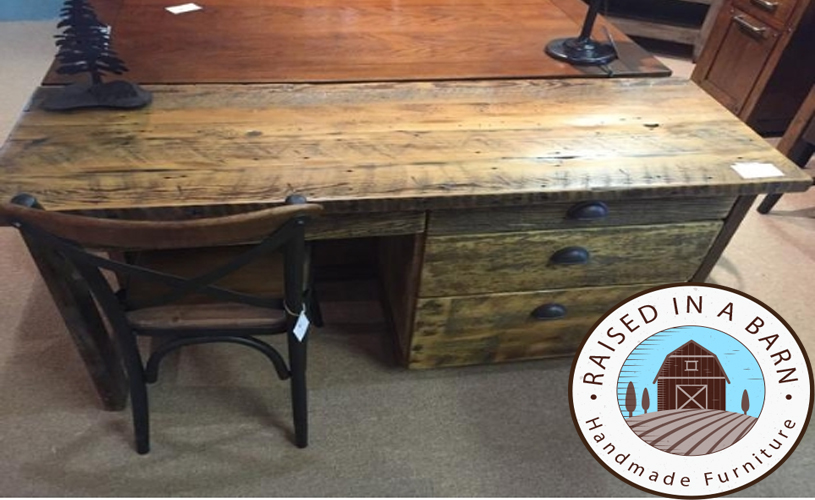
Heavier reclaimed tables like barn wood dining tables resist these issues because their weight and joinery distribute load differently. Instead of relying on brackets and fasteners alone, they rely on structural mass.
Bed Frames and Night Movement
Many people first notice furniture quality at night. A small shift of body weight causes some beds to squeak or flex. This is usually caused by thin side rails and lightweight support slats.
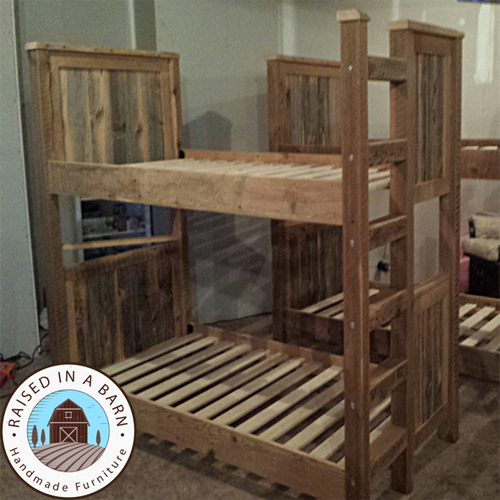
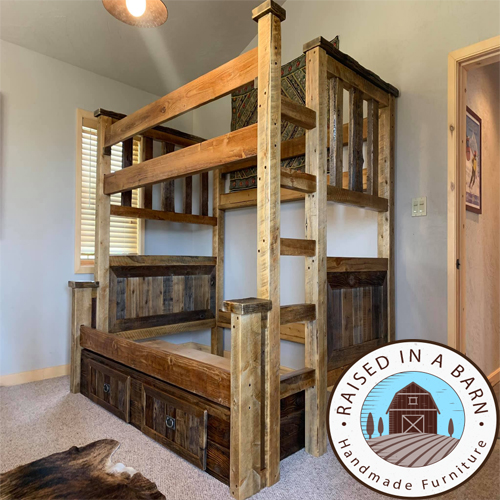
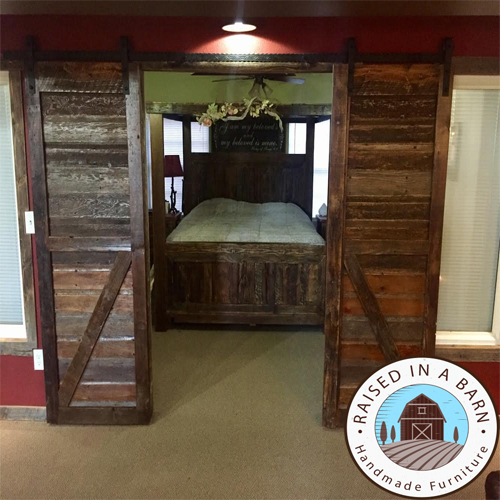
Heavier frames, including designs such as solid wood rustic beds, reduce movement transfer. The frame absorbs motion instead of amplifying it.
Why Heavy Furniture Is Actually Better
Modern buyers sometimes worry heavy furniture will be inconvenient. In reality, weight is a structural advantage. Heavier furniture has greater inertia. It resists shifting, twisting, and loosening over time.
This is one reason farmhouse and ranch homes historically used thick wood pieces. Durability mattered more than portability.
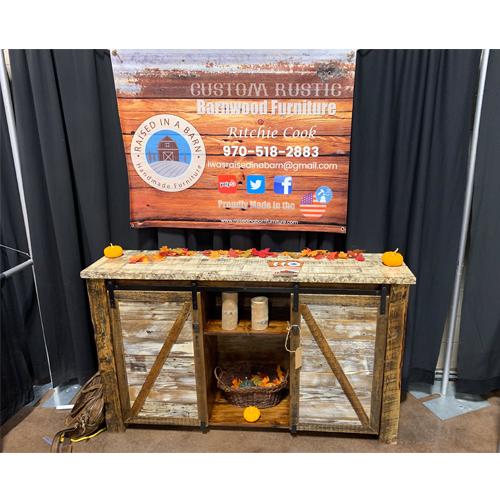
A central piece like a rustic buffet cabinet demonstrates this well. Once placed, it anchors a room visually and physically.
Finish Wear and Surface Damage
Another major frustration with modern furniture is surface wear. Thin finishes chip easily. Laminate coatings peel. Water rings become permanent.
Solid wood behaves differently. Minor dents do not destroy appearance. Instead, they blend into the natural texture.
Over time, the furniture often looks more natural rather than worse.
Natural wood aging is one reason reclaimed wood furniture has remained popular in historic homes and lodges.
You can learn more about wood durability characteristics from this woodworking reference resource:
Wood movement and moisture behavior explained
The Replacement Cycle Problem
Many homeowners unknowingly enter a replacement cycle. They purchase furniture that looks attractive and affordable. After a few years, it deteriorates. Then they replace it again.
Over ten to fifteen years, the total cost often exceeds the cost of a single long-lasting piece.
Why Reclaimed Barnwood Furniture Ages Differently
Reclaimed barnwood already survived decades of environmental change. It endured heat, cold, humidity, and dryness. The fibers have stabilized.
Because of this, the furniture does not fight the environment. It has already adapted to it.
Instead of weakening, it often becomes visually richer as small marks accumulate naturally.
Choosing Furniture for Daily Life
The best furniture is not the piece that looks perfect on day one. It is the piece that still functions well years later.
Homes are active environments. Families grow. Pets move through rooms. Items are set down quickly. Furniture should support that life rather than require careful treatment.
When selecting furniture, homeowners often benefit from considering:
- joinery thickness
- wood stability
- drawer construction
- structural weight
These factors affect lifespan far more than finish color.
Final Thoughts
Furniture failure is rarely random. It usually comes from material choice and structural design. Pieces designed primarily for transport efficiency often struggle with long-term use.
Furniture built from stable reclaimed wood focuses on durability first. Appearance follows naturally.
Choosing durable furniture is ultimately about reducing frustration. Instead of replacing pieces repeatedly, homeowners can focus on enjoying their home.
Frequently Asked Questions
1. Why do dresser drawers start sticking?
Cabinet boxes shift slightly due to material movement, causing rails to misalign.
2. Why do tables wobble over time?
Fasteners loosen and thin legs flex under repeated stress.
3. Is heavier furniture stronger?
Generally yes. Greater mass resists structural movement.
4. Does reclaimed wood crack?
Less than new lumber because most movement already occurred.
5. Why do beds squeak?
Light frames allow joints to rub during movement.
6. Is veneer durable?
Veneer is thin and prone to chipping compared to solid wood.
7. Can humidity damage furniture?
Yes, especially composite materials.
8. Does solid wood require special cleaning?
No. A dry cloth and mild care is sufficient.
9. Why does laminate peel?
Adhesives weaken over time and with moisture exposure.
10. How long can solid wood furniture last?
Decades or generations when properly built.